
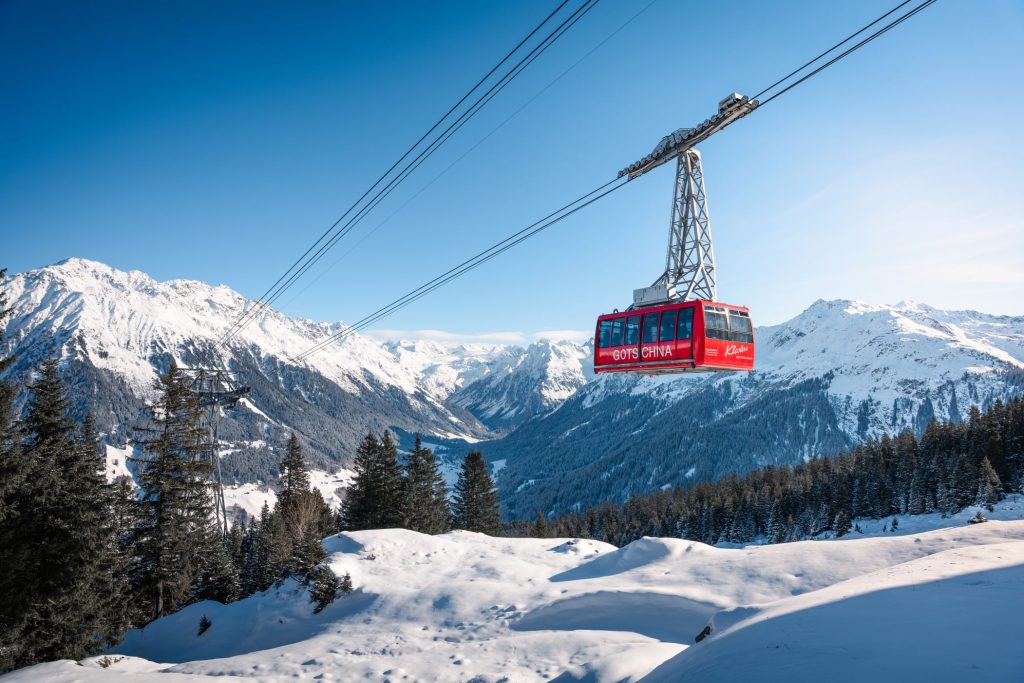
Village altitude: 1200m
Highest Peak: 2844m
Pros & Cons
Pros
- Charming, traditional Alpine village atmosphere
- Quieter and more refined than neighbouring Davos
- Excellent for beginners and intermediates
- Access to the extensive DavosßKlosters ski area
- Strong ski schools with a family-friendly focus
- Reliable snow, especially on Parsenn
- Good non-ski activities and winter walking
Cons
- Limited nightlife and après-ski
- Less appealing for freestyle-focused snowboarders
- The village itself has limited advanced terrain
- Shopping and dining options are smaller in scale
- The resort can feel subdued for younger groups
- Travel between ski areas requires planning
The Resort
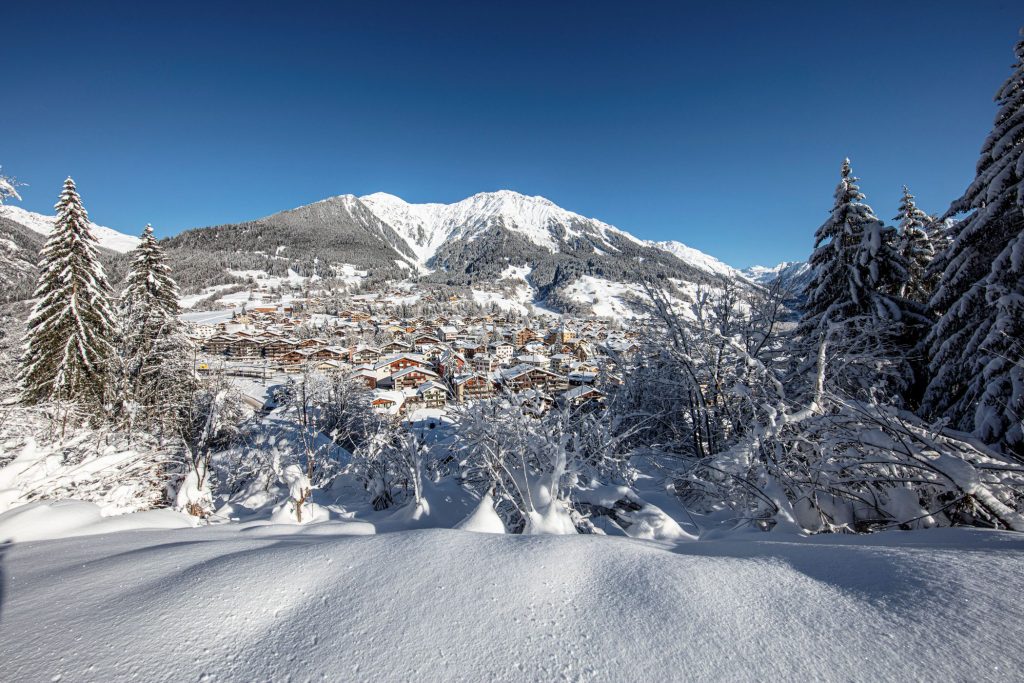
Klosters is a refined yet traditional Alpine village in eastern Switzerland, set in a broad, sunny valley and long regarded as one of the country’s most discreet and charming ski resorts. Smaller and more picturesque than neighbouring Davos, Klosters has a relaxed, upmarket feel without being ostentatious. The village is compact and attractive, with classic chalets, smart hotels and a well-kept centre. Shopping is tasteful rather than extensive, focusing on quality sports shops, boutiques, bakeries and local stores. Non-ski activities play an important role and include winter walking, cross-country skiing, sledging, spa facilities and scenic rail journeys. Klosters appeals to those who value traditional Alpine character, tranquillity and comfort, while still enjoying access to a large ski area.
Skiing & Snowboarding
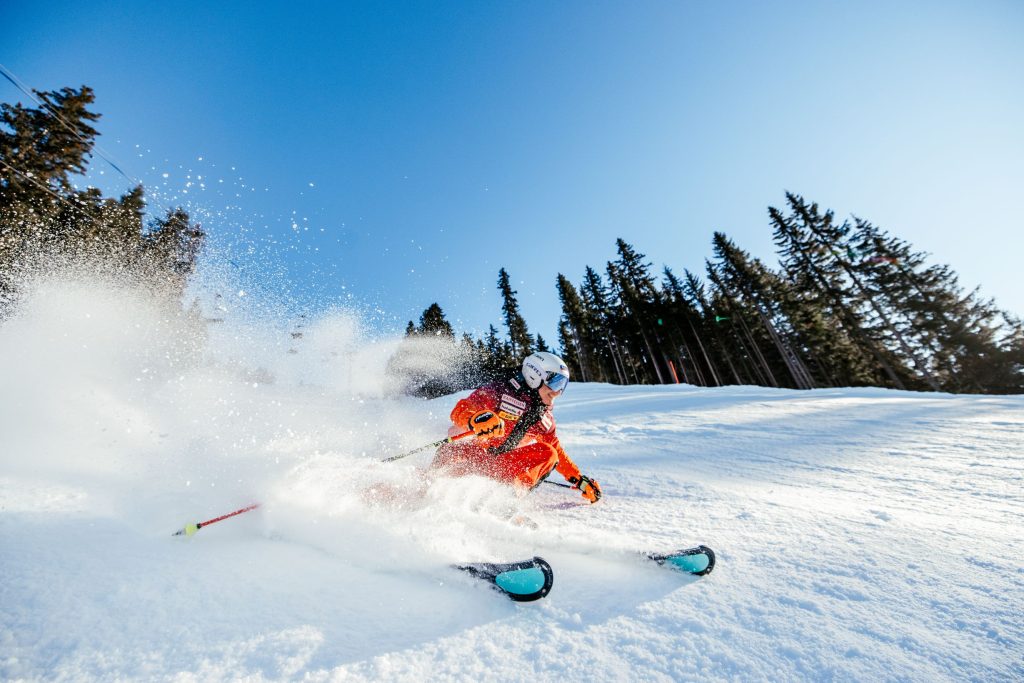
Klosters is part of the Davos Klosters Mountains, sharing lift passes with Davos and offering access to several distinct ski sectors. The ski area above the village, Madrisa, is particularly well-suited to beginners and families, with gentle terrain and sunny slopes. Intermediates benefit from easy access to Parsenn, one of Switzerland’s largest and most reliable ski areas, offering long, high-altitude blue and red runs ideal for cruising.
Snowboarders enjoy the wide, flowing pistes of Parsenn, which are well groomed and ideal for confidence-building, though the terrain here is more about carving and mileage than freestyle. Advanced skiers will find steeper sections, itineraries and off-piste opportunities across the wider area, though Klosters itself has a calmer, less extreme feel than some high-profile Alpine resorts. Snow reliability is generally strong thanks to altitude and exposure, particularly on the Parsenn side.
Ski School
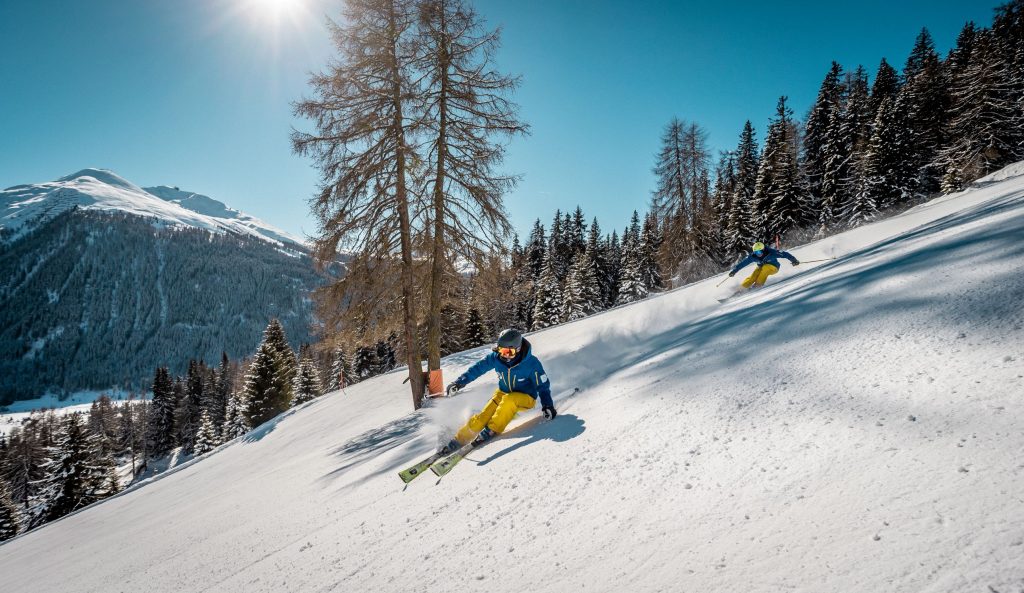
Klosters has an excellent reputation for ski and snowboard instruction, particularly for beginners, children and families. The local ski schools are known for their friendly, personal approach, with smaller class sizes than in larger resorts. Nursery slopes are conveniently located and well managed, creating a calm and reassuring learning environment. Lessons for intermediates and advanced skiers focus on technique improvement and confidence-building across the wider ski area. Snowboard instruction is readily available, though the resort’s emphasis is more traditional and piste-focused rather than freestyle-oriented.
Après-Ski
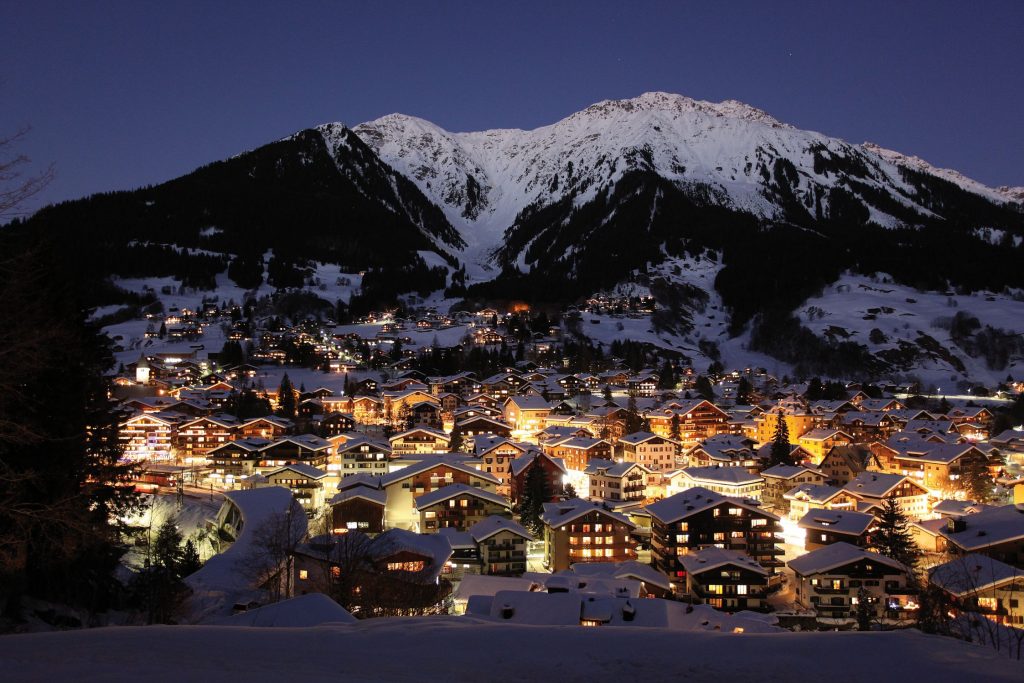
Après-ski in Klosters is understated and sociable, aligning with the resort’s calm and refined atmosphere. Rather than loud bars or late-night clubs, the focus is on relaxed drinks in hotel lounges, cosy village bars and sunny terraces after skiing. Evenings are typically low-key, with a pleasant buzz rather than a party scene. Klosters suits visitors who enjoy atmosphere and quality without excess, and those seeking lively nightlife often head to nearby Davos instead.
Restaurants
Klosters offers a strong and reliable dining scene, with a focus on quality, comfort and traditional Swiss hospitality. The village has a good selection of hotel restaurants, classic Alpine dining rooms and relaxed eateries serving Swiss and international cuisine. On the mountain, restaurants provide scenic lunch stops with hearty food and welcoming service. While the choice is smaller than in larger resorts, standards are consistently high, and dining feels refined rather than flashy. Prices are typically Swiss but often slightly more moderate than in St Moritz or Zermatt.